 English (United States)
 English (UK)

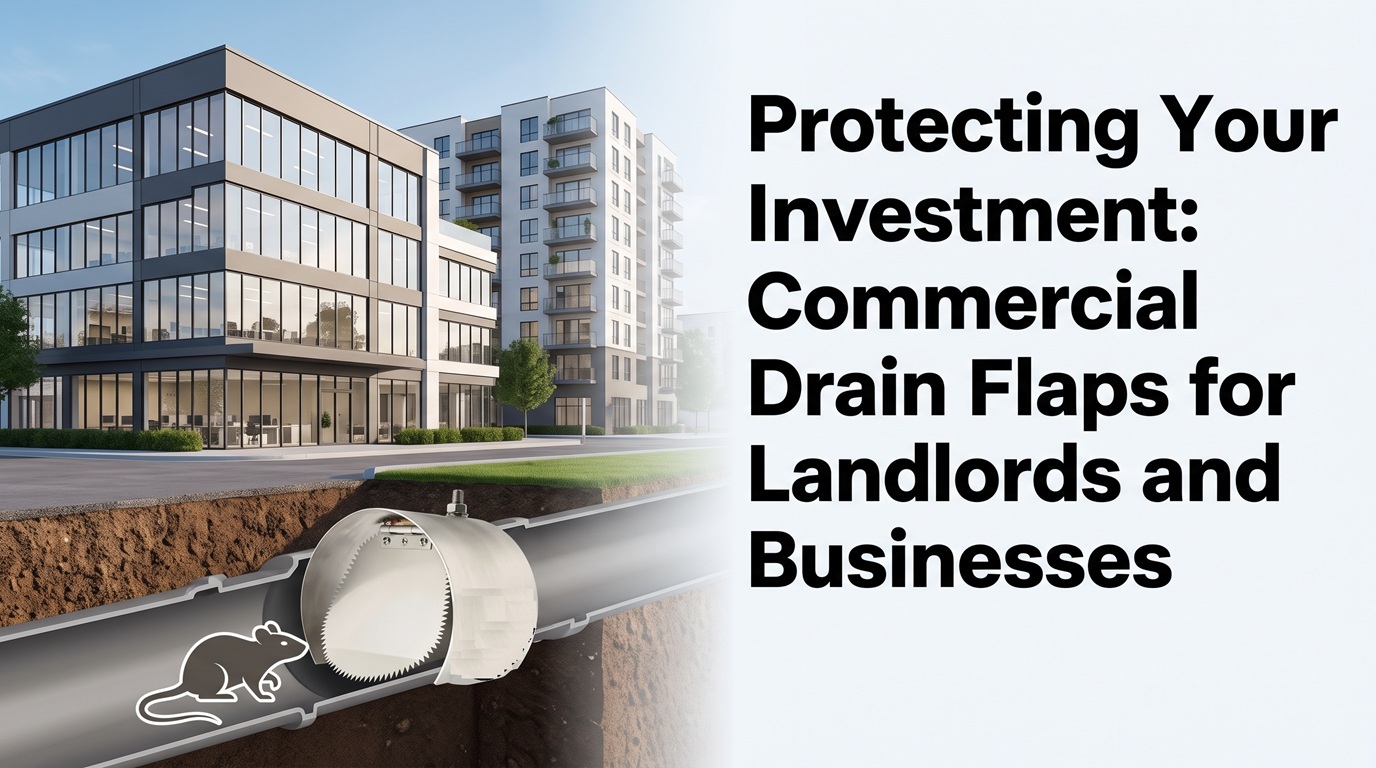
For landlords and business owners, protecting a property involves more than maintaining walls, roofs and electrical systems. Drainage infrastructure also deserves attention because underground pipes can create hidden routes for rats to access buildings. Choosing to install rat blockers can provide a preventative barrier against rodent movement through drainage systems. For commercial properties in particular, a properly fitted drain rat flap can be a practical addition to a wider property-maintenance strategy.
Why Commercial Properties Need Drain Protection
Commercial buildings often have more complicated drainage systems than residential properties. Offices, warehouses, restaurants, retail premises and industrial buildings can have multiple toilets, kitchens, external drains and underground connections. These systems may connect to larger drainage networks, creating several potential routes for rodents. Rats are capable of travelling through drainage systems in search of food, water and shelter. If they reach a commercial property, the consequences can extend beyond the immediate pest problem. A rodent issue can disrupt operations, create hygiene concerns and potentially damage property or equipment. For landlords, it may also result in complaints from tenants and additional maintenance costs. Preventing access through the drainage system can therefore be an important part of responsible property management.
How Drain Flaps Help
A drain rat flap is designed to act as a one-way barrier within a drainage system. Wastewater can continue to move away from the property, while the flap helps prevent rats from travelling back towards the building. This makes the concept particularly useful for properties where drainage is considered a potential rodent access route. Rather than waiting until rodents appear inside a building, property owners can take preventative action by identifying vulnerable drainage points and installing suitable protection. The goal is simple: maintain normal drainage function while making it more difficult for rodents to use the pipework as a pathway.
The Financial Impact of a Rodent Problem
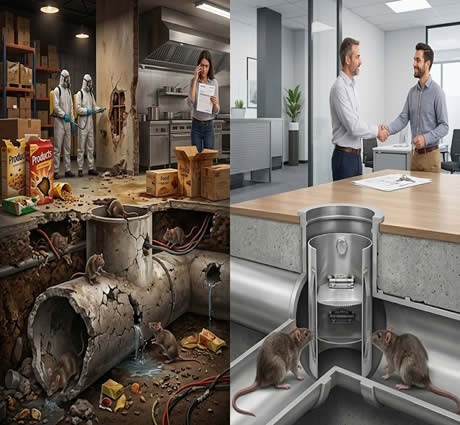
For a business, pest activity can become expensive surprisingly quickly. A rodent problem may require professional pest control, repairs to damaged materials and additional cleaning. Depending on the type of business, there may also be operational disruption. Food-related businesses face particularly strict hygiene expectations. Warehouses may have stock and packaging that could be damaged or contaminated. Offices and commercial buildings can experience disruption if rodents enter concealed areas. Landlords have another concern: protecting the condition and usability of their investment. Spending money on preventative measures such as rat blockers may help reduce the risk of a much more expensive problem later.
Protecting Commercial Tenants
Landlords have a responsibility to maintain safe and functional premises, but tenants also expect the property to be protected against foreseeable problems. Drainage is easy to overlook because most of the system is underground and out of sight. Regular inspections can help identify damaged drain covers, deteriorating pipework and other potential vulnerabilities. If the drainage layout provides a possible route for rats, a suitable drain rat flap can be considered as part of the property’s preventative measures. This can be particularly valuable for multi-occupancy buildings where several businesses share the same drainage infrastructure.
Why Prevention Is Better Than Emergency Treatment
Emergency pest control can be disruptive. If rats have already entered a building, the source of the problem must be identified before effective prevention can take place. Simply removing visible rodents does not necessarily solve the underlying access issue. If they can still enter through drainage, another infestation may occur. This is why prevention should form part of routine property maintenance. When owners install rat blockers at suitable drainage points, they can address one potential pathway before it becomes a recurring problem. A physical barrier can complement other measures such as waste management, building maintenance and regular pest inspections.
Suitable for Different Types of Commercial Properties
Drain protection can be relevant to many types of commercial premises.
Offices
Office buildings may have extensive underground drainage and multiple facilities. Preventative protection can help reduce potential rodent access.
Restaurants and Food Businesses
Food premises have a particularly strong reason to take pest prevention seriously. Keeping waste secure and maintaining drainage protection can form part of a broader hygiene strategy.
Warehouses
Large storage facilities can contain packaging, stock and concealed areas that provide shelter for rodents. Protecting drainage access is one potential layer of defence.
Rental Properties
Landlords managing flats, houses or commercial units can consider drainage protection when carrying out wider maintenance work.
Installation Matters
A drain flap is only useful if it is correctly selected and installed for the drainage system. Pipe dimensions, access points and the condition of existing drainage should all be considered. The barrier should allow wastewater to pass correctly without creating unnecessary drainage problems. This is why professional installation can be preferable to choosing a product without first understanding the pipework. Before you install rat blockers, the drainage system should be assessed to determine the appropriate location and type of protection.
Making Drain Protection Part of Property Maintenance
Landlords and business owners already have many maintenance responsibilities. Adding drainage protection to a preventative maintenance plan can help address a problem that is otherwise easy to overlook. Regularly checking external drainage areas, keeping waste secure, repairing structural gaps and considering rodent barriers can all contribute to better property protection. A suitable drain rat flap is not a replacement for good hygiene or professional pest control. Instead, it can provide another layer of protection by addressing a specific potential entry route.
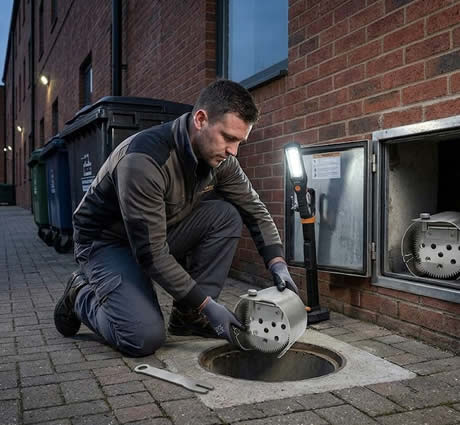
For commercial property owners, prevention is ultimately about protecting the long-term value and usability of the building. Choosing to install rat blockers can help reduce the opportunity for rats to travel through drainage systems, while a properly fitted drain rat flap can provide a practical physical barrier. By including drainage protection within routine property maintenance, landlords and businesses can take a proactive approach to reducing rodent access and protecting their investment.