 English (UK)
 English (United States)


Hearing an unfamiliar scratching or scurrying sound after dark can be unsettling, particularly when it seems to be coming from inside the walls. In Hampshire homes, hidden spaces such as wall cavities can provide shelter for rodents and other pests. If you are looking into rat drain blockers in Hampshire, it is worth remembering that preventing access through drainage can be part of a wider pest-control strategy. Rat blockers in Hampshire can help reduce one potential route into a property, while understanding the sounds pests make can help homeowners identify an issue before it becomes more serious.
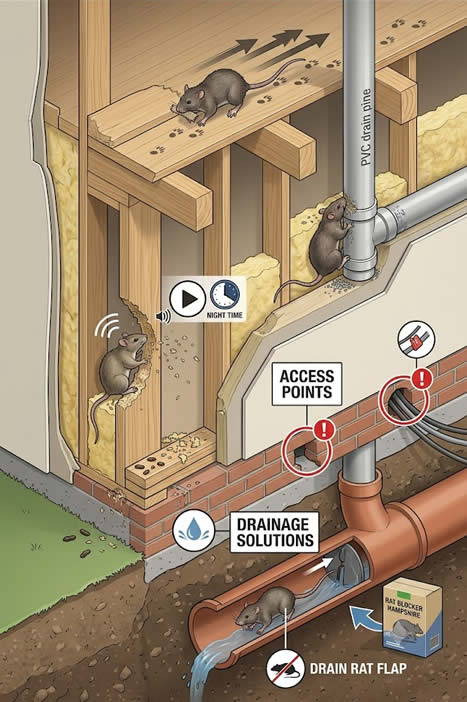
1. Scratching and Scrabbling Inside the Walls
One of the most common sounds associated with rodents is scratching. You may hear light scratching, scraping or repeated movement behind plasterboard, skirting boards or walls. The noise can sometimes sound surprisingly loud, particularly at night when the rest of the house is quiet. Rats and mice are naturally active animals, and they may move around searching for food, nesting material or shelter. Scratching sounds can occur when they move through insulation, climb inside cavities or investigate openings around pipes and cables.
However, scratching does not automatically mean that you have rats. Other animals and even certain building noises can create similar sounds. The important factor is repetition. If you consistently hear movement in the same area, particularly during the evening or overnight, it may be worth investigating the possible source.
Why Do Rodents Enter Wall Cavities?
Wall cavities can offer exactly the type of environment rodents prefer. They provide protection from outdoor temperatures, predators and household activity. Once a rodent finds a suitable entry point, it may move between different hidden areas of the building. Potential access points can include gaps around pipes, damaged brickwork, openings around utility connections and poorly sealed external areas.
Drainage can also be relevant. Underground pipes may connect a property to larger drainage networks, creating another potential route for rats. This is one reason rat blockers can be considered as part of a preventative approach. Blocking potential access through drainage can help address the problem before rodents reach concealed areas inside a building.
2. Repeated Scurrying or Running Sounds
Another sound to watch for is repeated scurrying. You might hear what sounds like quick footsteps travelling along a wall or ceiling. Sometimes the sound appears to move from one section of the building to another. Rodents can move surprisingly quickly through confined spaces, making it difficult to determine exactly where they are located.
The pattern can provide useful clues. Occasional sounds may simply be caused by normal building movement, pipes expanding or contracting, or external activity. Repeated movement sounds, particularly at similar times each night, may warrant further investigation. If the noise is accompanied by droppings, gnawing damage or unusual smells, the likelihood of pest activity becomes more concerning.
Checking Around Common Access Points
When investigating potential rodent activity, look around areas where the building connects with external spaces. Pay particular attention to:
- Pipe entrances and exits
- Drain covers
- Gaps beneath doors
- Damaged brickwork
- Utility penetrations
- Ventilation openings
- Roof and loft access points
Drainage should not be overlooked. A rat can potentially use underground pipework as a route towards a property. A properly installed drain rat flap can help prevent rats from travelling back through the drainage system while allowing wastewater to continue flowing away.
3. Gnawing and Chewing Sounds
A third warning sound is persistent gnawing. Rats have continuously growing incisors, which means they naturally chew materials to keep their teeth under control. If rodents have entered a wall cavity, you may occasionally hear faint tapping, crunching or chewing noises. The material being chewed could include wood, insulation or other parts of the building. Visible evidence may appear later. Look for damaged timber, shredded materials, small holes or gnaw marks around accessible areas. Electrical cables can also be vulnerable to rodent damage, which is one reason unexplained chewing sounds should not simply be ignored.
Don’t Assume Every Night Noise is a Pest
Homes make many noises after dark. Heating systems, water pipes, roof materials and changing temperatures can all produce clicking, tapping and creaking sounds. Outdoor animals can also create noises that appear to come from inside a wall.
Before assuming you have an infestation, consider when the sound occurs and whether there are other signs of pest activity. If scratching or movement is consistently occurring alongside droppings, damage or unpleasant smells, professional investigation may be appropriate.
Preventing Rats From Reaching Your Property in Hampshire
Finding evidence of rodents inside a wall is only part of the solution. The next step is understanding how they entered. Sealing visible gaps and improving household hygiene can reduce some risks, but drainage may require a different approach. This is where rat drain blockers in Hampshire can provide an additional preventative measure. A suitable drainage barrier can help restrict rat movement through underground pipework without preventing normal wastewater flow. For homeowners dealing with older properties or complicated drainage systems, professional assessment can help identify the most appropriate location for a blocker.
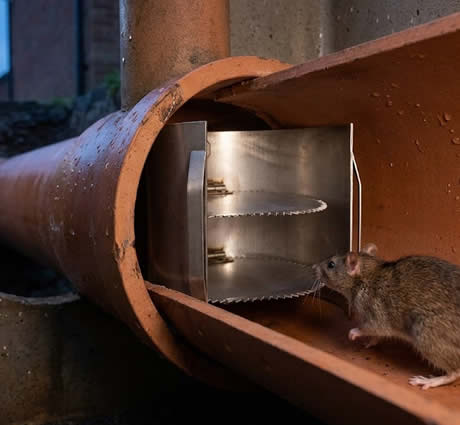
A Physical Barrier Can Make a Difference
Pest prevention is often more effective when potential entry routes are addressed before rodents establish themselves indoors. Using rat blockers as part of a broader property-protection strategy can help reduce the risk of rats travelling from drainage systems towards the building. Similarly, a suitable drain rat flap can provide a physical barrier within the drainage network.
If you hear repeated scratching, scurrying or gnawing sounds at night, don’t automatically assume the worst—but don’t ignore persistent signs either. Investigating the source early, checking potential access points and considering measures such as rat drain blockers can help protect your property before a hidden pest problem becomes a much larger one.


